
Introduction
South Africa is a vibrant nation celebrated globally for its extraordinary cultural diversity. Known affectionately as the ‘Rainbow Nation,’ this country boasts a remarkable mosaic of cultures, languages, traditions, and histories that uniquely reflect both African roots and global influences. This diversity isn’t merely a matter of pride but a crucial part of South Africa’s identity, deeply woven into every aspect of life, from festivals to music, food, art, and literature.
Historical Context
Understanding South Africa’s cultural diversity requires a look at its historical context. The country’s complex past, marked by colonialism, apartheid, and a long struggle for democracy, significantly shaped its multicultural landscape. The colonial period brought influences from Europe and Asia, while the apartheid era profoundly affected social structures, leading to the resilience and unity that characterize modern South African society. Nelson Mandela’s presidency and the transition to democracy in 1994 symbolized a new era embracing diversity and reconciliation.
Cultural Festivals
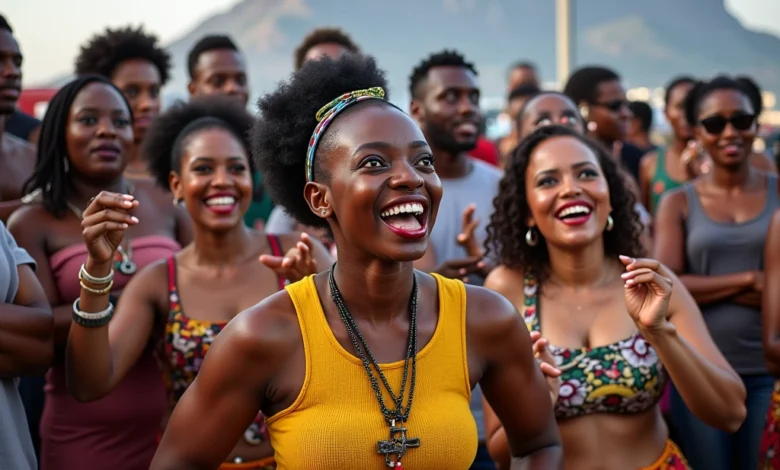
One of the most vibrant expressions of this cultural diversity is found in the numerous festivals celebrated across the country. Among these, the Cape Town Carnival and the Johannesburg Joy of Jazz Festival stand out. The Cape Town Carnival is an annual celebration showcasing vivid costumes, infectious rhythms, and energetic dances from different South African communities. Another famous event, the National Arts Festival in Grahamstown, showcases theatre, visual arts, music, and dance, drawing both local talent and international attention. Furthermore, Durban hosts the Zulu Reed Dance, a significant traditional event reflecting the preservation of indigenous culture.
Musical Heritage
Music is undoubtedly one of the most compelling symbols of South Africa’s cultural plurality. South African music blends traditional African sounds, European influences, jazz, gospel, hip-hop, and contemporary pop into a distinctive and recognizable style. Iconic figures such as Miriam Makeba, Hugh Masekela, Brenda Fassie, Johnny Clegg, and contemporary artists like Black Coffee and Sho Madjozi have put South Africa on the global music map. The distinctive rhythms of genres such as Kwaito, Amapiano, and Afro-jazz not only entertain but also narrate the stories of everyday life, struggles, joys, and the resilience of South African people.
Culinary Traditions
The culinary traditions of South Africa vividly reflect its cultural diversity. Influenced by indigenous practices and settlers from Europe, Asia, and other African regions, South African cuisine is delightfully varied. Cape Malay cuisine, known for its rich and aromatic dishes like Bobotie and Bunny Chow, illustrates the impact of Southeast Asian and Indian influences. Meanwhile, traditional dishes such as Pap and Boerewors or Braai (barbecue) gatherings, enjoyed by all communities, symbolize unity and shared heritage. Seafood traditions in coastal cities like Durban and Cape Town further enrich the country’s diverse culinary landscape.
Arts and Literature
In the field of arts and literature, South Africa has gifted the world influential figures whose works powerfully reflect its complex societal landscape. Artists like William Kentridge have gained international acclaim for their provocative interpretations of apartheid’s legacy and modern South African life. Writers such as Nadine Gordimer, J.M. Coetzee, and Zakes Mda have offered nuanced perspectives on the intricate tapestry of South African society, exploring themes of identity, oppression, resilience, and reconciliation. These artistic expressions serve as reminders of the past while simultaneously highlighting contemporary aspirations for a unified and progressive future.
Linguistic Diversity
South Africa’s diversity also extends to its multitude of languages, with eleven official languages recognized constitutionally. This linguistic variety, including Zulu, Xhosa, Afrikaans, English, and Sesotho, enriches the cultural fabric and provides a unique sense of identity and belonging for different communities. Multilingualism is encouraged and celebrated in education, media, and public life, further strengthening the nation’s diverse yet cohesive identity.
Natural and Cultural Heritage
The natural environment also plays a significant role in South Africa’s cultural identity. Landmarks like Table Mountain, Kruger National Park, and Robben Island carry deep cultural significance and attract international visitors, showcasing the interplay between nature, history, and culture. These sites represent both the beauty and historical narratives of South Africa, offering further insight into the nation’s diverse heritage.
Sports and Cultural Unity
Sports are another essential element that fosters unity amid diversity in South Africa. Rugby, cricket, and soccer are passionately followed nationwide, with historic moments like the Rugby World Cup victory in 1995 symbolizing unity and reconciliation. Sporting events often become celebrations of national pride and cultural diversity, bringing communities together in shared excitement and camaraderie.
Conclusion
Ultimately, South Africa’s cultural diversity remains an immense source of pride, strength, and celebration. It shapes the nation’s unique character, promotes mutual respect, and fosters a vibrant society continuously evolving through dialogue, appreciation, and mutual respect. South Africans and visitors alike continue to celebrate this rich heritage, appreciating its role in uniting a country shaped by complexity and resilience.