

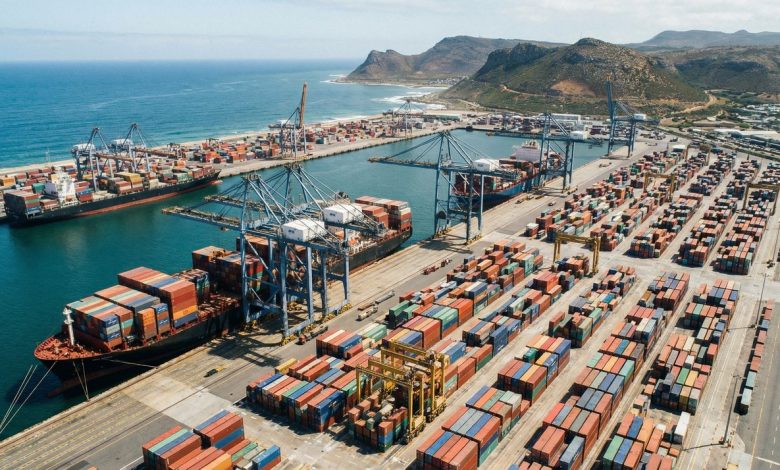
On April 2, 2026, the United States imposed sweeping new tariffs on imports from dozens of countries around the world. The move, framed by President Donald Trump as a correction to decades of unfair trade, sent shockwaves through global financial markets and forced governments across the world to rethink their economic strategies. For Africa, the implications are significant and complex.
Here is what African governments, businesses, and citizens need to understand about what is happening and why it matters.
What Are the Tariffs?
The Trump administration announced a baseline 10% tariff on all imports into the United States, with significantly higher rates applied to countries that Washington considers to have large trade surpluses with America. Several major economies, including China, the European Union, and Japan, were hit with rates between 20% and 54%.
Most African countries fall under the baseline 10% rate, which is lower than what major economies face. However, the broader disruption to global trade flows, commodity prices, and economic confidence will affect the continent whether or not African goods are directly targeted.
The AGOA Question
The African Growth and Opportunity Act, known as AGOA, has been a cornerstone of US-Africa trade relations since 2000. It allows eligible sub-Saharan African countries to export thousands of products to the United States duty-free. The new tariff regime creates uncertainty about how AGOA benefits interact with the new baseline rates.
African trade officials have been urging Washington to clarify whether AGOA protections will be maintained in full. Countries like Ethiopia, Kenya, and Lesotho have built significant textile and apparel industries around AGOA access. Any erosion of those benefits would hit those sectors hard and could cost hundreds of thousands of jobs.
Commodities: The Ripple Effect
Africa’s biggest exposure to the trade war is not through direct tariffs but through commodity markets. When global trade tensions rise, economic growth slows. When growth slows, demand for oil, copper, cobalt, gold, and other raw materials that Africa exports falls. Prices drop. Government revenues shrink.
Nigeria, Angola, and the Republic of Congo, which are heavily dependent on oil revenues, are particularly vulnerable to any sustained fall in global energy prices driven by a trade-war-induced economic slowdown. The same applies to Zambia and the Democratic Republic of Congo for copper and cobalt, which are critical materials for electric vehicle batteries and tech supply chains that are themselves caught in the crossfire of US-China trade tensions.
An Opportunity Hidden in the Disruption
Not everything about the tariff shock is bad for Africa. As companies and governments around the world look to diversify away from over-reliance on Chinese manufacturing, Africa has a chance to position itself as an alternative production base. The continent has a young, growing labor force, improving infrastructure in many countries, and vast natural resources.
Countries like Morocco, Egypt, Ethiopia, and South Africa have been actively courting foreign manufacturers looking to reduce their exposure to China. The new tariff environment could accelerate that process if African governments move quickly to improve their business environments and reduce bureaucratic barriers to investment.
The Currency Pressure
Trade wars tend to strengthen the US dollar as investors seek safe-haven assets. A stronger dollar is bad news for African economies that hold significant dollar-denominated debt. It makes debt repayments more expensive in local currency terms and puts pressure on foreign exchange reserves.
Several African countries, including Ghana, Ethiopia, and Zambia, are already in or recovering from debt distress. A sustained period of dollar strength driven by global uncertainty could make their fiscal situations significantly worse.
What Happens Next
The situation is still evolving rapidly. Several countries have begun negotiations with Washington, and the final shape of the tariff regime remains uncertain. The African Union has called for a coordinated continental response, and individual governments are assessing their options.
For Africa, the lesson is a familiar one: the continent’s economic fortunes are still too tightly linked to decisions made in Washington, Beijing, and Brussels. The long-term answer is building stronger intra-African trade through the African Continental Free Trade Area, which would reduce dependence on external markets and give African economies more resilience when the next global shock arrives.