

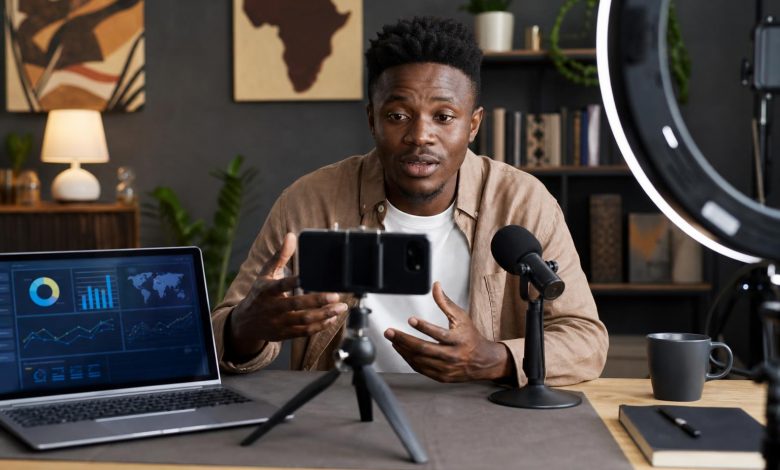
African news is no longer shaped only by newspapers, television studios, and radio hosts. A growing share of young audiences now discover politics, history, public scandals, and social debates through creators who explain the news on their phones.
This is not just influencer culture. In many countries, creators are becoming informal newsrooms. They watch the official press conference, read the report, translate the issue into everyday language, and deliver it in a format that younger audiences actually finish.
Why young audiences are shifting
The shift is easy to understand. Traditional news can feel slow, formal, and distant. Many young people want context quickly. They want someone to explain why a court case matters, what a new policy means, or how a historical event connects to today’s debate.
Creators are filling that gap. Some use humor. Some use local languages. Some use short video edits, street interviews, or simple explainers. The format feels personal, and that is part of the power. Viewers often feel as if they are hearing from a friend who did the homework for them.
That relationship can be powerful in countries where trust in institutions is uneven. When audiences do not fully trust politicians, media owners, or official spokespeople, a familiar creator can become a filter for public life.
The opportunity is real
For African media, this is not only a threat. It is a signal. The demand for information is still there. The format has changed. People still want news, but they want it faster, clearer, more visual, and more connected to their daily lives.
Creators can also reach audiences that traditional media struggles to reach. A short explainer on a phone can travel across WhatsApp groups, campus networks, diaspora communities, and comment sections in a way that a formal editorial may never manage.
The creator economy adds another layer. As brands, platforms, and investors pay more attention to African creators, the best explainers may start building small media businesses around themselves. That could include newsletters, podcasts, live shows, community subscriptions, research teams, and partnerships with established publishers.
The risk is just as real
The same speed that makes creator news powerful can also make it risky. A bad fact can travel quickly. A rumor can be packaged as a confident explainer. A creator may become a trusted source without having the editorial systems that traditional newsrooms use to check claims.
That does not mean creators should be dismissed. It means the next African media opportunity may sit between the two worlds: newsroom discipline with creator-native delivery. Verification, legal caution, and context still matter. So do rhythm, voice, and platform fluency.
Young Africans are not waiting for old media to decide how news should look. They are already building new habits. The smart publishers will not mock those habits. They will learn from them.
The next newsroom may not begin with a studio. It may begin with a phone, a script, a ring light, and an audience that finally feels spoken to.